Contents:
7. Biomimicry Man
6. Immortal Jellyfish
5. A Consumption and Population Equation
4. Alien Actions
3. A Licence to Vote
2. Minnie
1. Sustainable Restaurant Reviews
7. BIOMIMICRY MAN
Atul’s A-Z of Biomimicry
Updated: 17 January 2021

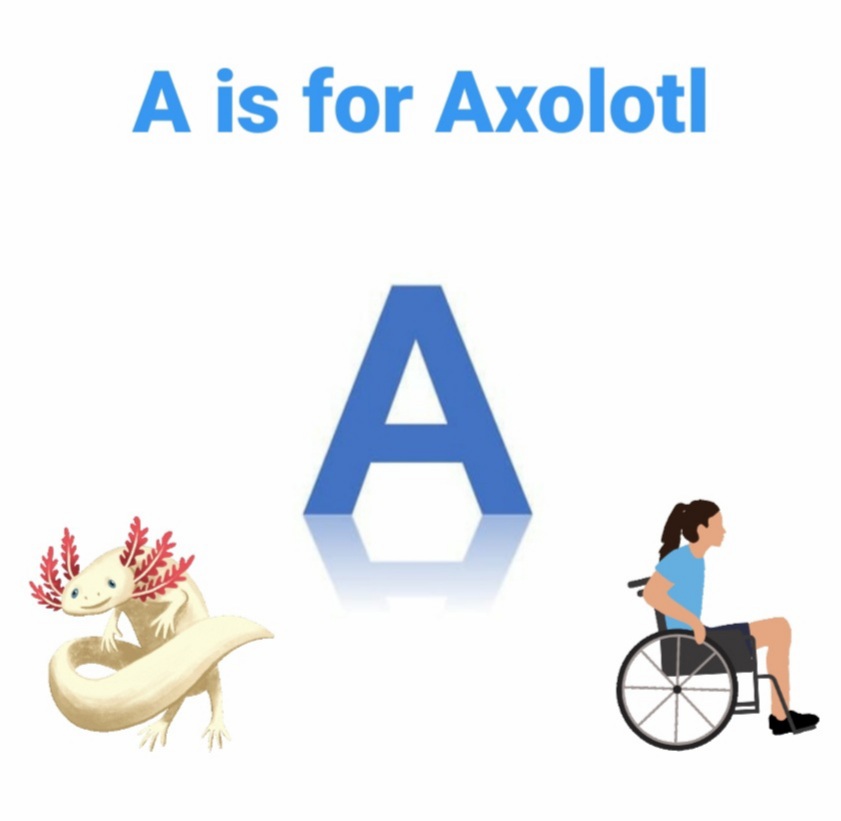
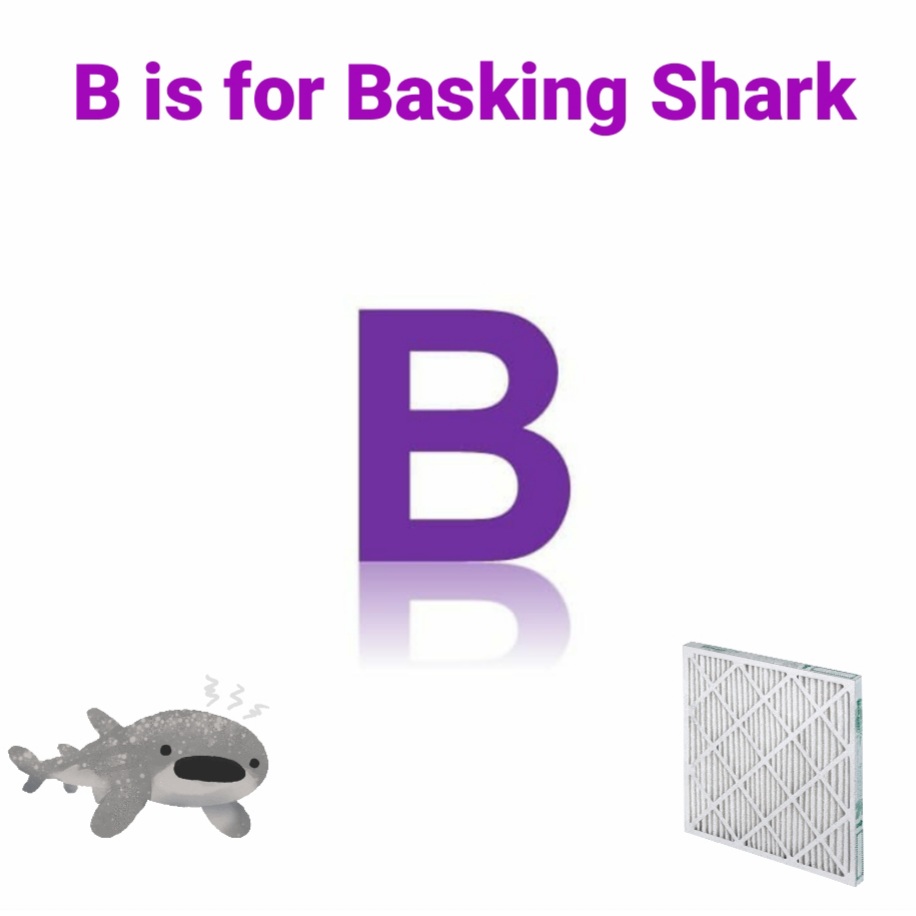
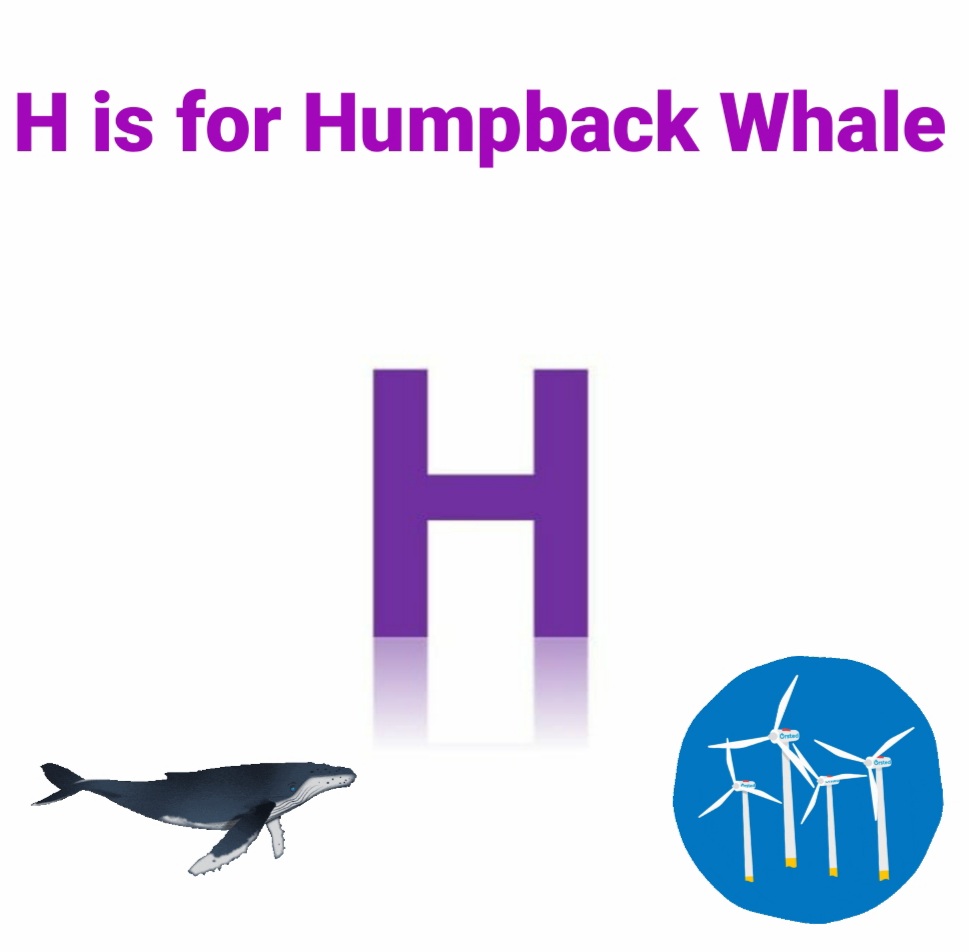
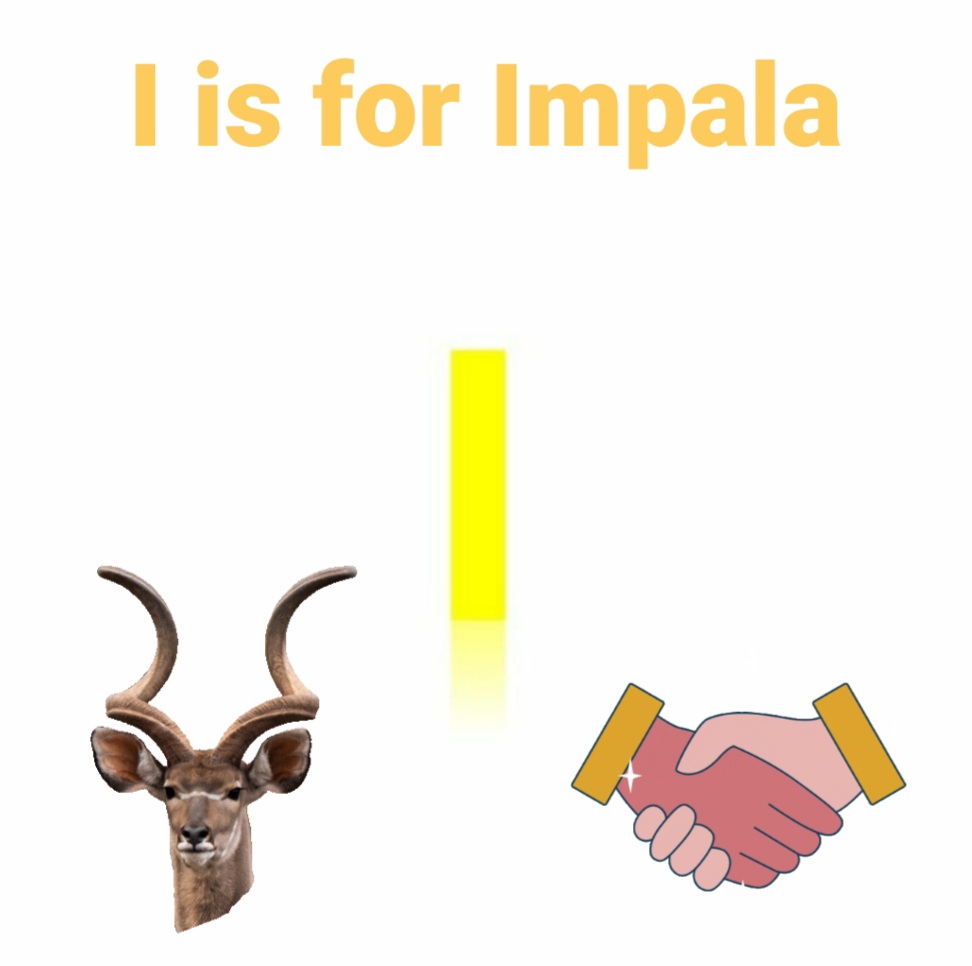
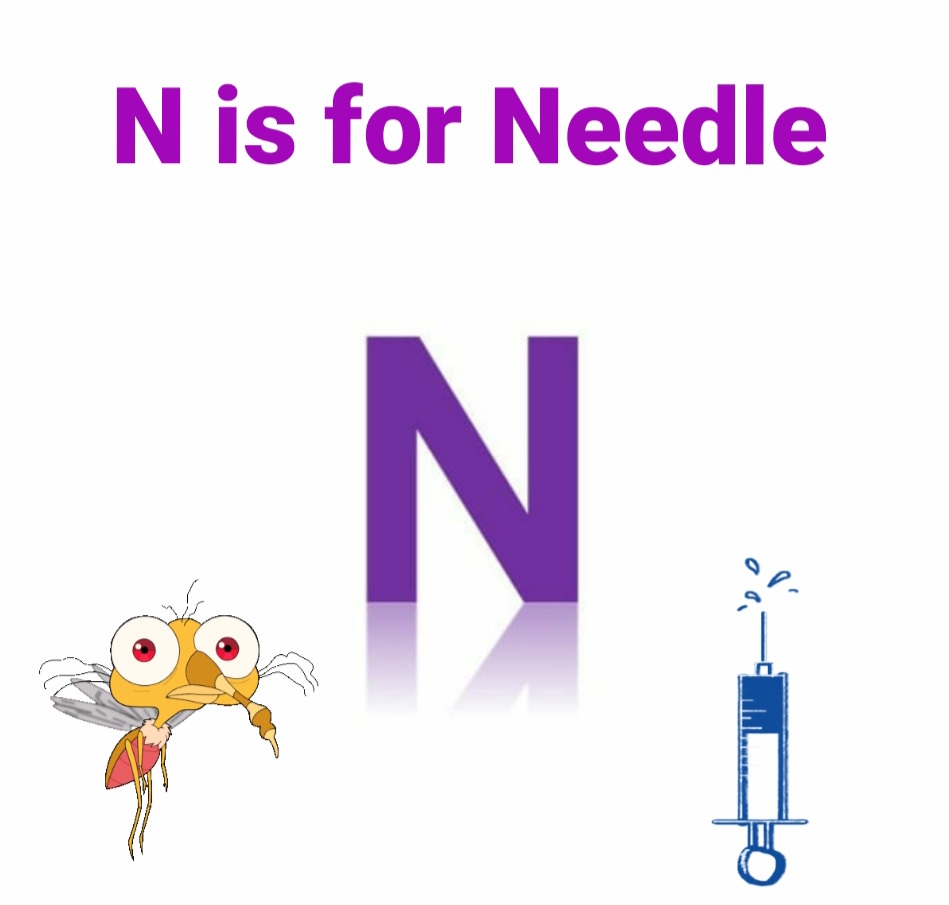
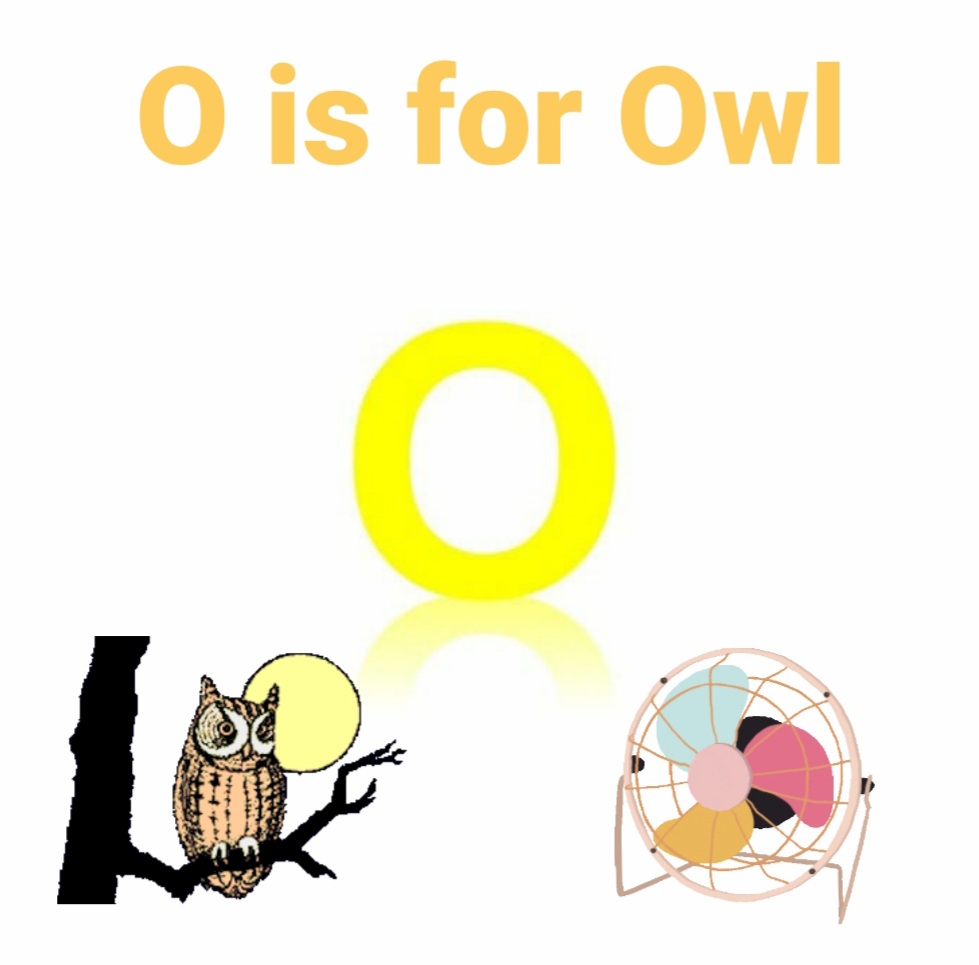
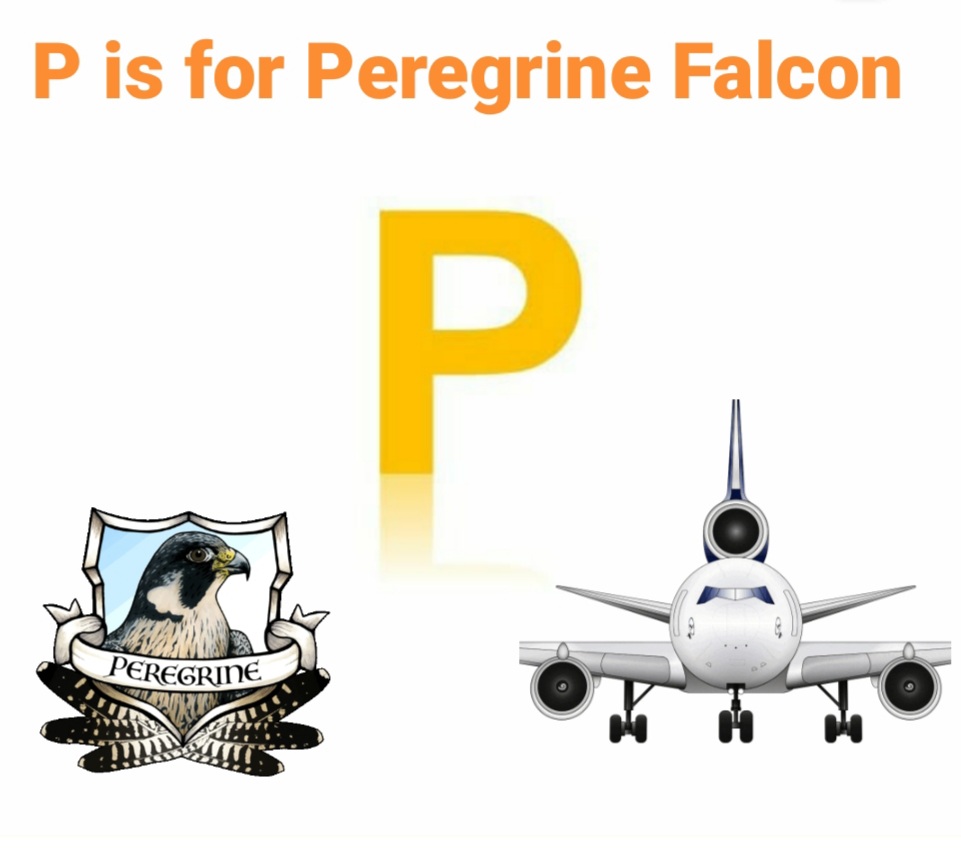
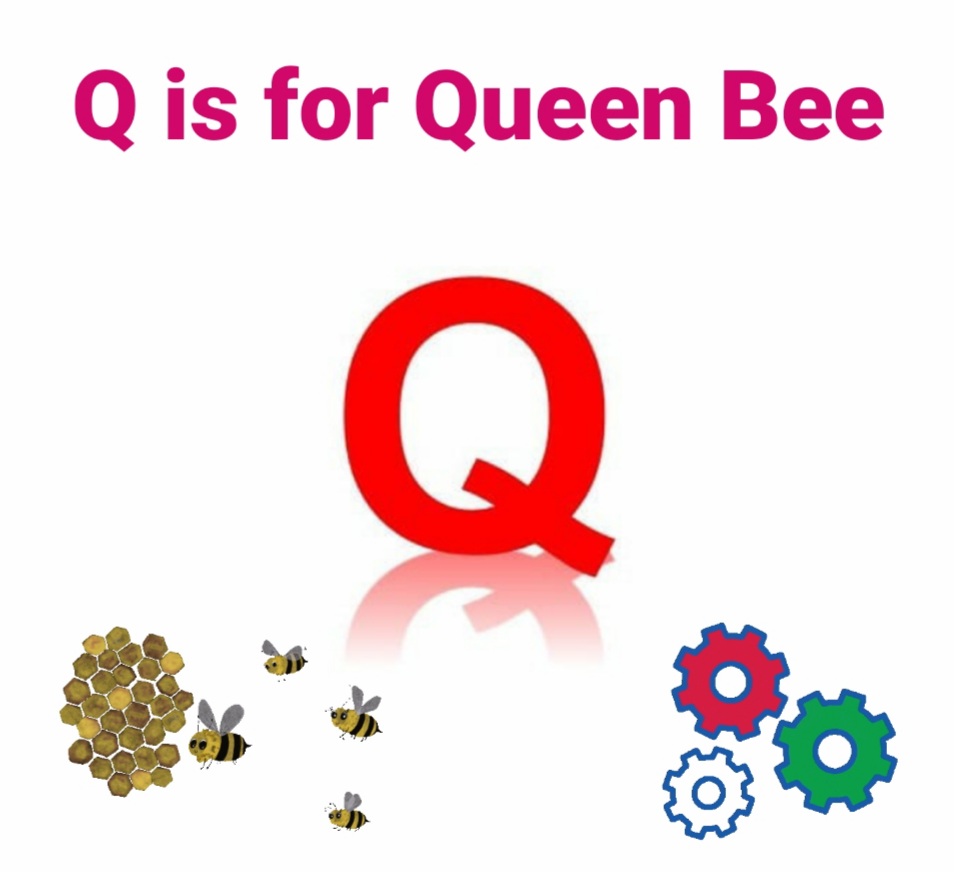
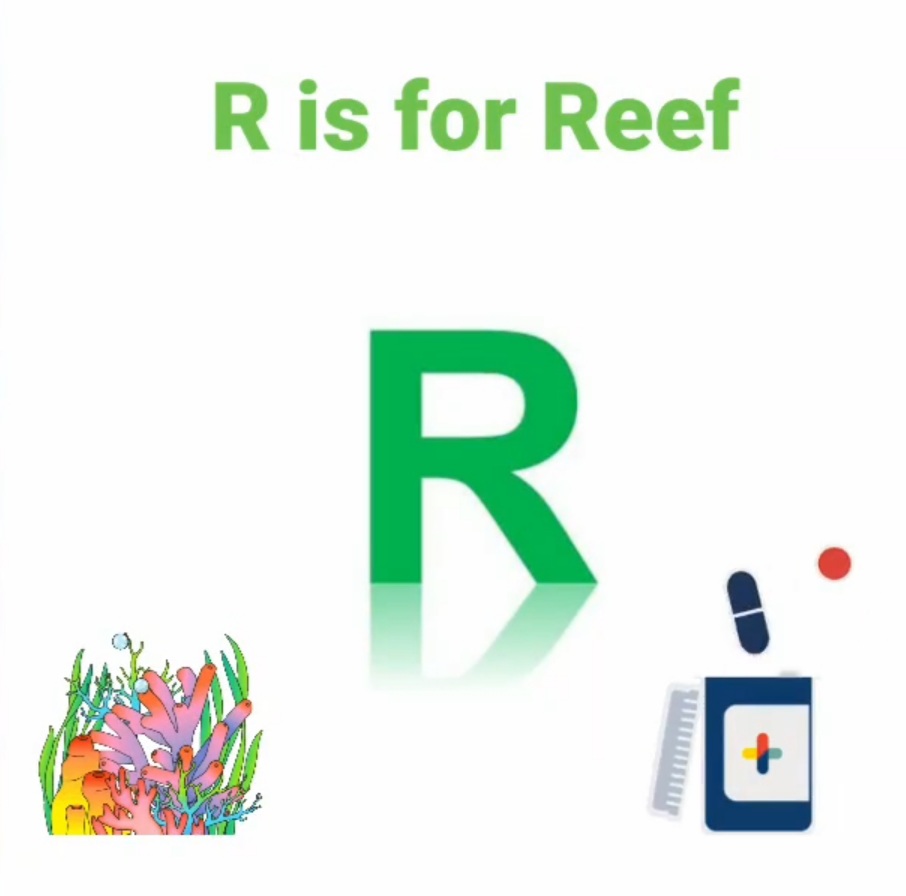
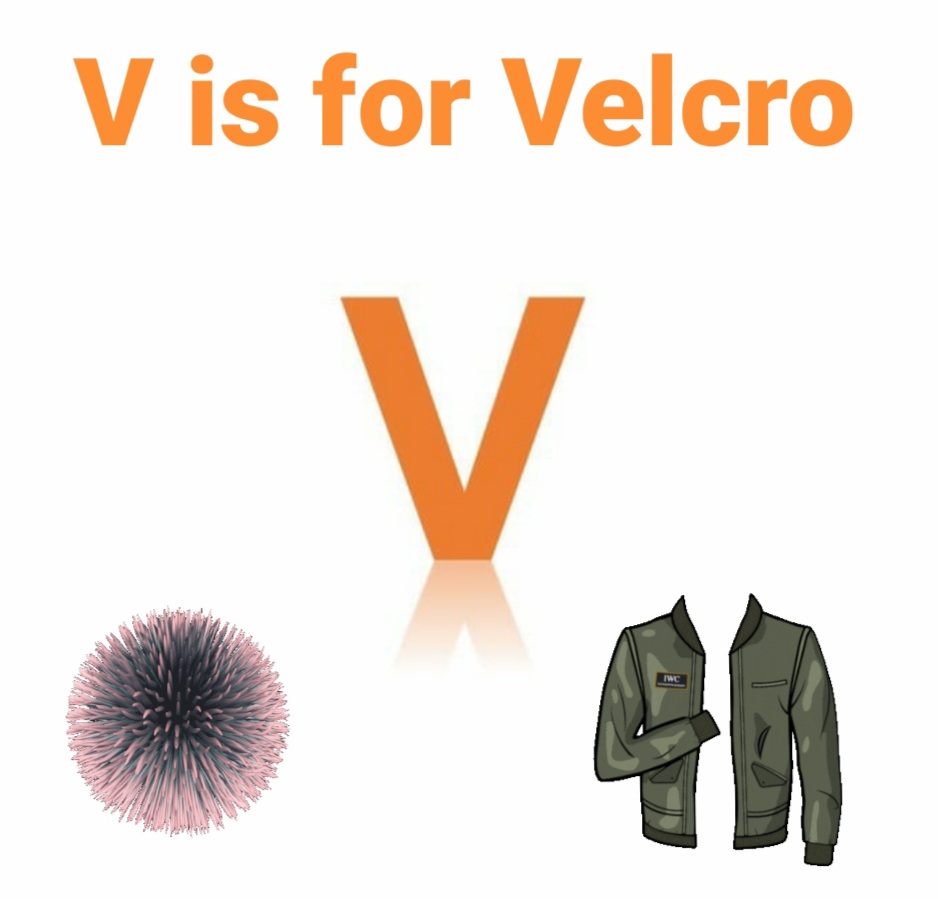
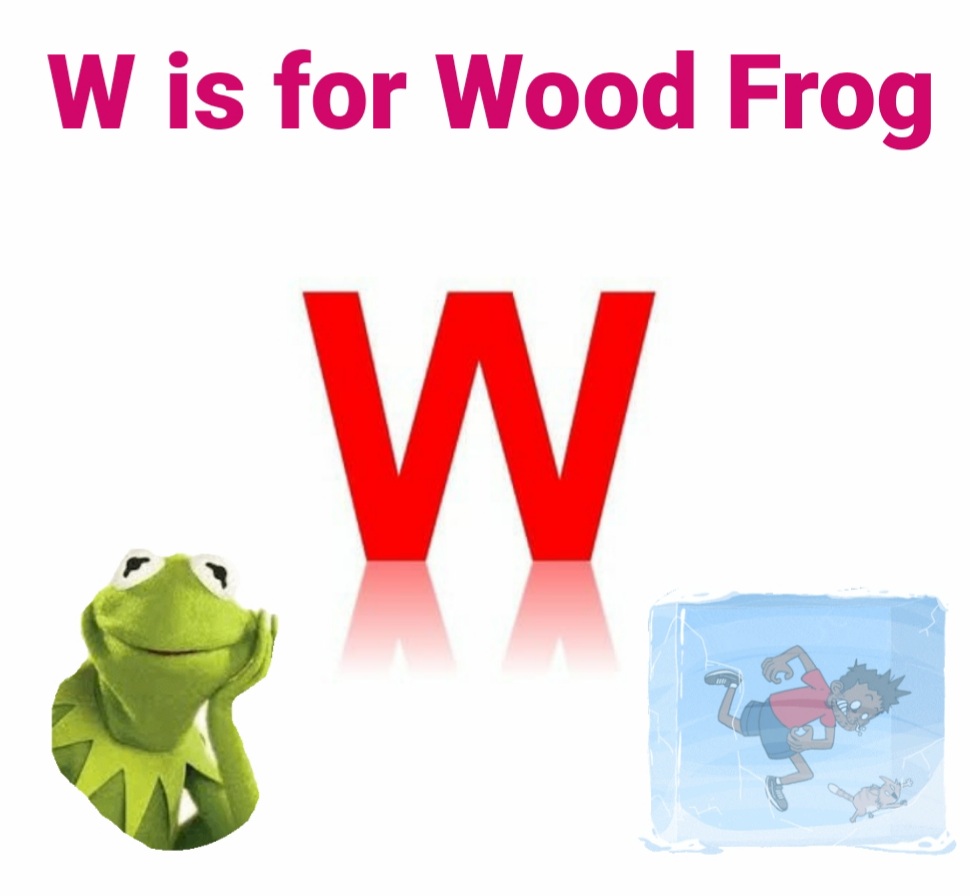
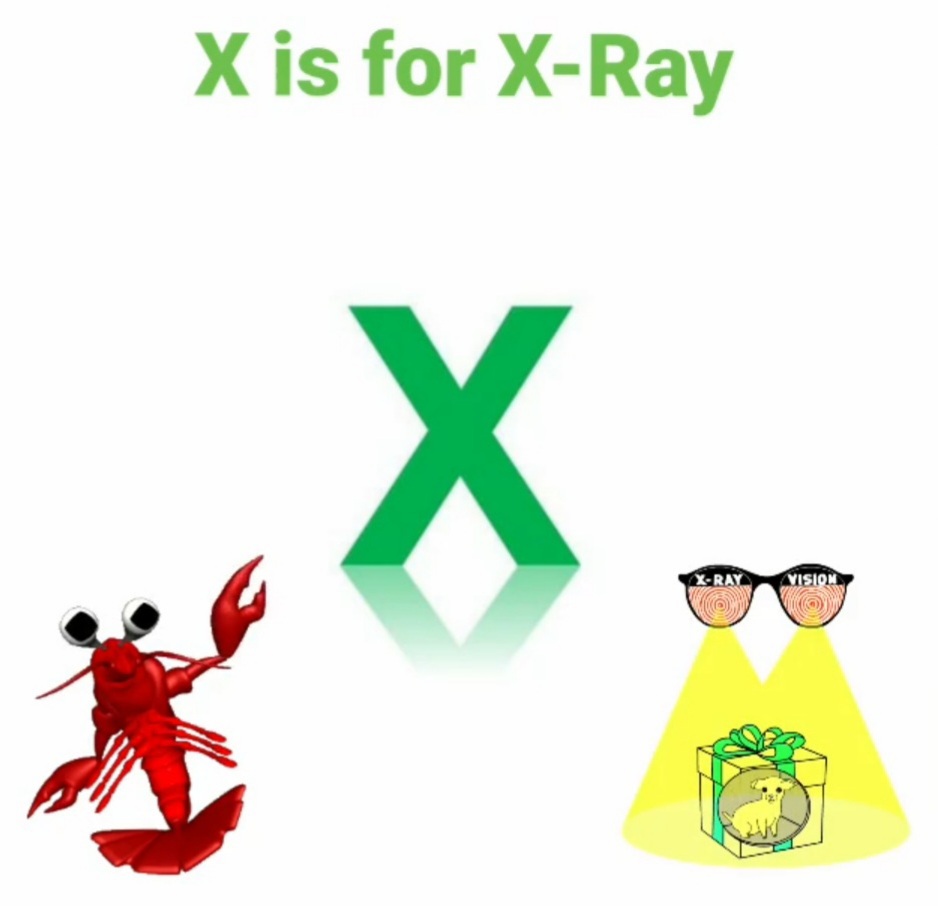
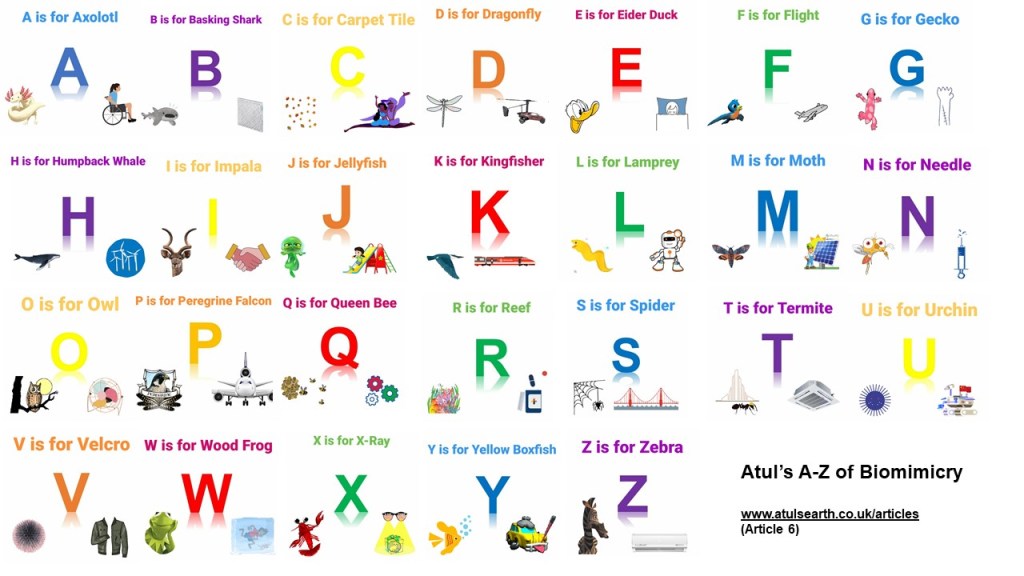
Woof! Is that biomimicry? Sort of. This article goes far deeper than mimicking animal noises. Here I look at how learning from wildlife and emulating nature can bring medical and technological advances to man’s best friend’s best friend: humans.
Each image on the left is of nature. Each image on the right is the (potential) biomimicry application.





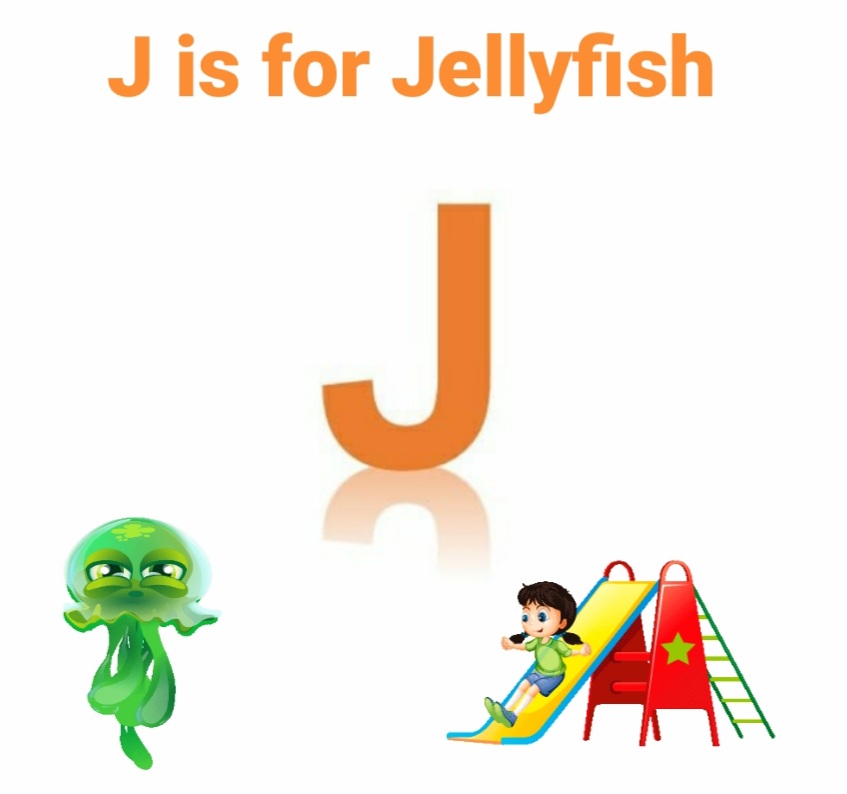
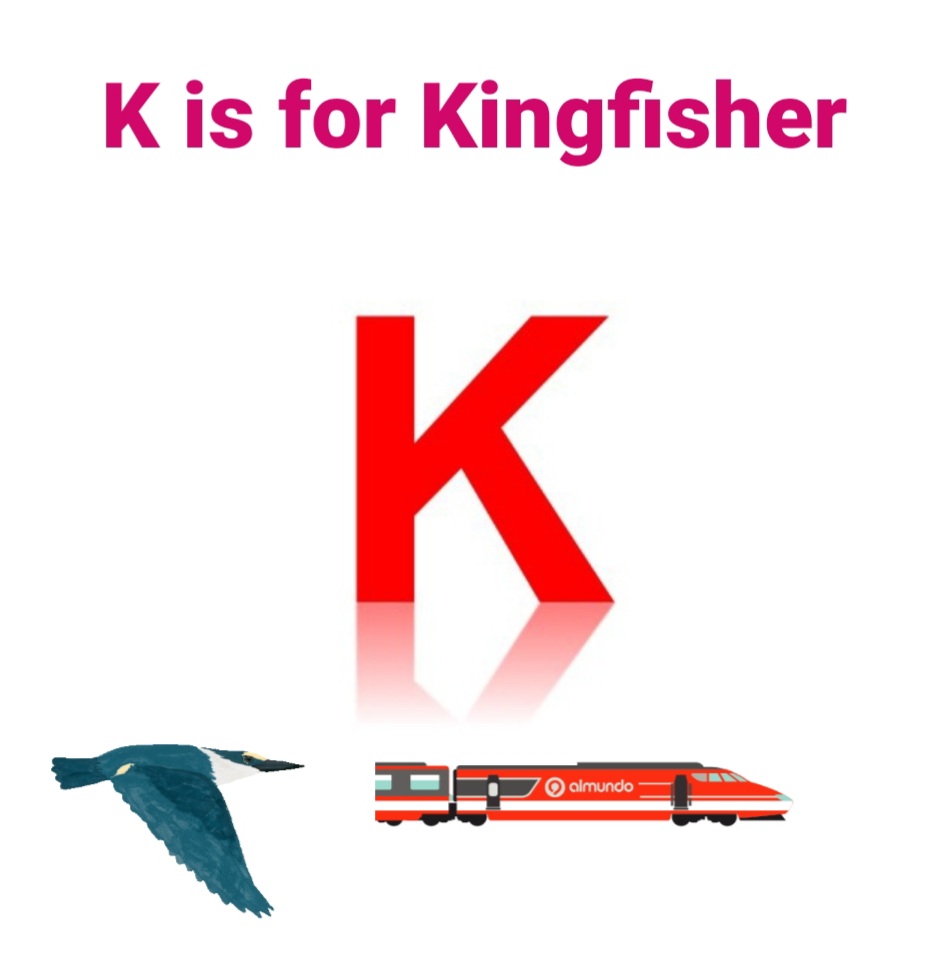
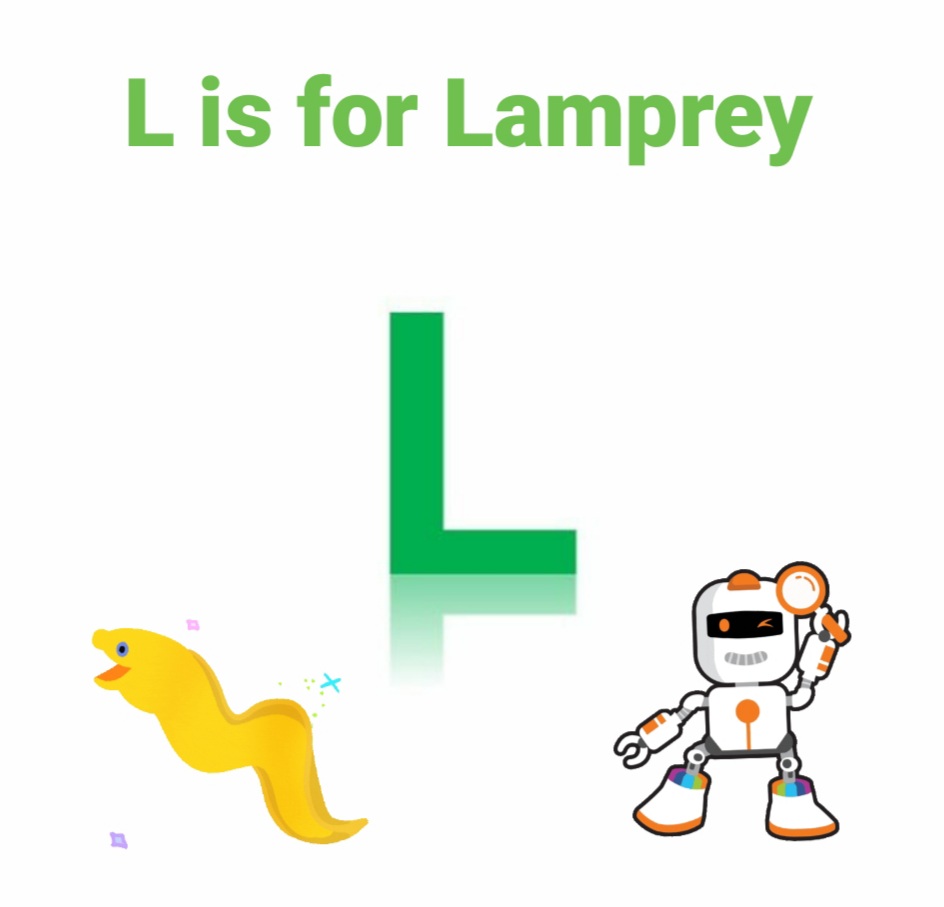
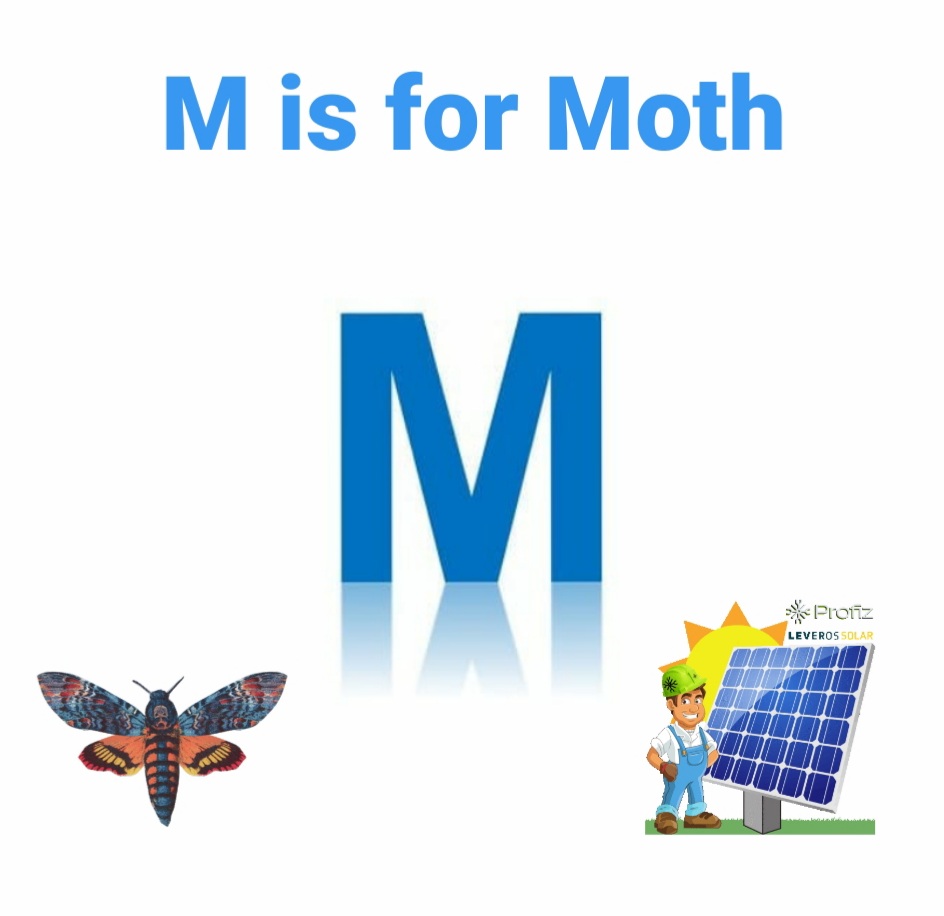





Atul Kumar
Updated: 17 January 2021
6. IMMORTAL JELLYFISH
No brainers! What jellyfish and Cliff Richard have in common.
Updated: 4 December 2020
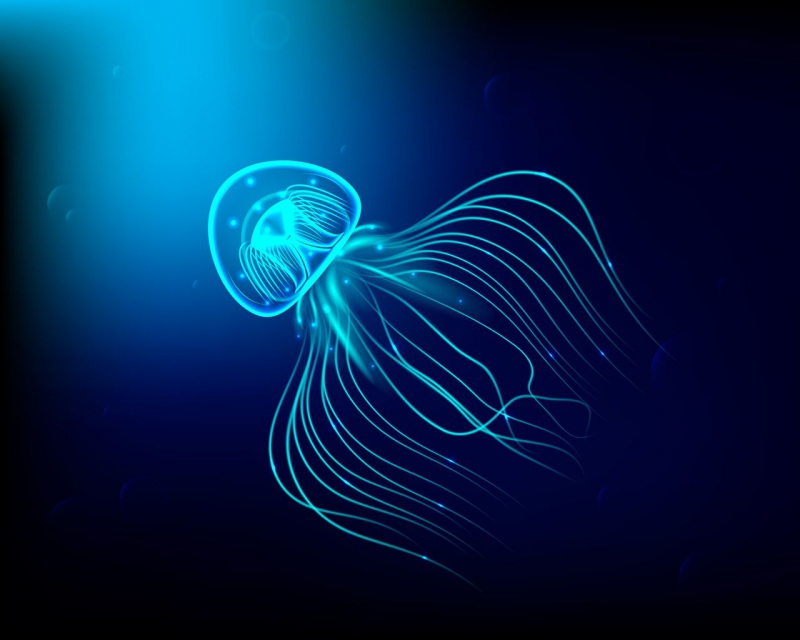
I was watching ‘Life’ on BBC1, narrated by Sir David Attenborough, and was fascinated to learn that jellyfish have no brains!
Jellyfish are captivating creatures, and a reminder that we do not need to look into outer space to find exciting beings that are wildly different to humans. Want to see an alien? We have them right here on Earth.
Jellyfish have a loose network of nerve endings known as a nerve net. They react directly to food and danger stimuli via nerve impulses, without a brain to process them. It remains a mystery how they can process this information without a brain.
Scientists have recently been jumping over themselves in a frantic ‘jellyfish research scramble’, with funding justified on the basis of their increasing populations and resultant contact with humans.
And now they have found something truly astonishing.
An immortal jellyfish has evolved, and is swarming through the world’s oceans. Its numbers are rocketing because it can reproduce, but need not die. Eventually something might eat it, but that’s not the point.
Turritopsis nutricula may be the world’s only immortal creature.
It’s the only known animal that is capable of reverting completely to its younger self. Instead of dying after reproducing, like other jellyfish, it reverts to a juvenile polyp of sexual immaturity and rejuvenates itself. A far better deal.
It does this through a cell process of transdifferentiation, where cells transform from one type to another. The switching of cell roles is usually seen only when parts of an organ regenerate. However, it appears to occur normally in the Turritopsis life cycle. Scientists believe the cycle can repeat indefinitely, rendering it potentially immortal.
This tiny creature is just 5mm long, and is the focus of many marine biologists and geneticists, to see exactly how it manages to reverse its aging process and achieve eternal youth.
Learning from wildlife, copying nature and applying the concepts to humans, is known as biomimicry. Just imagine if scientists could reverse ageing in humans after copying the genetic trickery of Turritopsis nutricula.
Or they could just ask Cliff Richard.
Atul Kumar
Updated: 4 December 2020
Sources and thanks to:
http://dailytopici.com/news/view/6988
http://www.aquaticcommunity.com/jellyfish/facts.php
http://www.telegraph.co.uk/earth/wildlife/4357829/Immortal-jellyfish-swarming-across-the-world.html
http://en.wikipedia.org/wiki/Jellyfish
5. A Consumption and Population Equation
There’s too much wii / we / wee.
Updated: 12 October 2022
A lot has been said in the population and consumption debate. I would summarise it in three stages of thinking. Read to the end for the practical conclusion of stage three.
- The problem is Population (P).
- The problem is Consumption (C).
- The problem is the Combination of Consumption and Population (CCP).
Sometimes it’s easy to forget that not everything is about efficiency. For example: total human deforestation, regardless of trees felled per person, is the key physical driver of overall deforestation levels. Physically, trees are felled for burgers due to total demand for burgers, not demand per capita. If a population of 50Billion humans each only had one burger per week, we would still need to deforest the planet to make space for the cattle, even though each human is eating relatively little meat.
To use another example from the ‘take the point to an extreme for clarification’ school of thought: if the human Population was just 100 people, it probably wouldn’t make a significant difference to climate change if those 100 humans lived on an endless flight circling the globe, whilst eating burgers when watching the in-flight films. We probably still wouldn’t have the planetary boundary exceeding issues that we have now. This thought experiment shows we can’t continue the media silence on the global Population issue: it’s because there’s around 8Billion of us, so the combination of Population and Consumption, that we have systemic environmental problems.
Humans consume just by staying alive: eating, basic education, plastic for the dialysis machine, health care, sanitation, going to the loo, etc. Per capita is a separate question: in total, regardless of per capita, the fact is there’s a lot of wee to process on Earth. Processing all that wee requires vast consumption of materials, plastics, energy, chemicals, etc. It’s not about how much you wee as an individual, because in practice most humans wee within certain, how can I put it…volume parameters. It really is more about the sheer number of humans, all weeing a little bit.
This is what I would call ‘Minimum Viable (Human) Consumption’ (MVC), and is usually forgotten. It is the inevitable level of consumption, and is, by definition, distinct from optional, additional, frivolous stuff like, for example, Nintendo Wii systems. Add to that the many worthwhile but non-essential aspirations that involve varying degrees of consumption, such as relaxation methods, holidays and travel, and it also becomes unrealistic and detrimental to stop humans aspiring for enriching experiences.
Non-essential consumption is not simply about how many people consume how much today; it’s also about how many people will aspire to consume how much in future.
More importantly: regardless of non-essentials, social justice, equity and morality require us to allow MVC per human, in order to lift and sustain Billions of humans out of poverty.
Similarly, there is a Minimum Viable (Human) Population level (MVP). Below this level there would be insufficient numbers of people for workforces, and to enable society to function. Human society has been around for approximately 200,000 years, and the Population was below 1 Billion until around the time of the Industrial Revolution in the 1800s. It’s no coincidence that is also around the same time that it all started to go wrong in terms of sustainability.
My environmental equivalent of Einstein’s E = MC2 is:
NEarths = MVC x P.
Where:
NEarths: Number of (Needed) Earths
MVC: Minimum Viable (Human) Consumption
P: Population
MVP: Minimum Viable (Human) Population
NEarths means Number of Needed Earths, or Earth equivalents. Mars? We’re thousands of years away from successfully terraforming it to be sustainably habitable, if that ever happens at all. In other words, 1 means 1. Objectively speaking, we have 1 Earth. The start of the equation is 1.
MVP is subjective. As there’s so much room for differing opinions here, for now it makes sense to skip this for a moment and move on to MVC.
MVC is not really subjective in the same way that MVP is. Objectively, each human must consume (and therefore wee) a fairly specific amount each day / week / month in order to stay biologically alive, and consume minimum resources for basic things like education.
So far, of the three parts of the equation, two parts are either completely fixed (NEarths = 1), or relatively fixed (MVC).
That only leaves one part of the equation to play around with: MVP. Now, one could legitimately suggest that MVP is above 1 Billion in order to have enough of us to continue making technological advances as we have since the 1800s.
However, scientists have for decades made broad estimates of the ‘carrying capacity’ of the Earth, with most estimates being that resource Consumption is Currently proceeding as if we have 2-3 Earths, with a current Population of around 8Billion. In other words, the Current reality of the equation could be expressed as:
Current Consumption x 8Billion = 2.5Earths
And because it’s an equation, this can be flipped to be expressed as:
2.5Earths = Current Consumption x 8Billion
But wait a minute, we only have 1Earth. For the equation to match that objective reality, either Consumption or Population must reduce. 8 divided by 2.5 = 3.2. So therefore I wonder if:
1Earth = Current Consumption x 3.2Billion
Those who say we can reduce Current Consumption a bit are correct. We just can’t reduce it below MVC. Hard to quantify the gap between Current Consumption (per Average Person) and MVC (per Average Person), but as it’s extremely rare to be a Billionaire, the gap is not huge. So perhaps we could tweak the equation to drop everyone’s consumption down to MVC in order to attempt to keep the population as high as possible. With a relatively small gap between Current Consumption and MVC, perhaps if we drop to MVC we can increase the 3.2 back to say, 4:
1Earth = MVC x 4Billion
In other words, this shows conventional wisdom: if we must continue to have as high a Population as possible, then each person’s Consumption must to go down, if we want to move in the direction of re-balancing the equation.
This fashionable emphasis on dropping Consumption is supported by technological advances that, in theory, improve Consumption efficiency whilst maintaining the high Population. Here’s the problem. Current Consumption and Current Population are not static, but going up. So technological advances would need to not only keep up with, but also overtake both Consumption and Population growth, in order to keep the equation as above. In other words, technological advances are simply absorbing current growth, not helping to complete the balancing of the equation.
Another problem: if we’re really honest with ourselves, perhaps many of us would prefer to (continue to) live a little above MVC.
And another problem: the reality is that some of our 8Billion Population are currently below MVC, an immoral situation and they must be raised out of extreme poverty. So there is an imbalance hidden in the equation: rather than drop everyone down to MVC, in fact some people need to consume more to move upwards to MVC. So MVC globally is higher than represented by the previous equation draft showing 4Billion. Meaning we therefore need to drop the P back down a little, perhaps to 3.2Billion. At 3.2, all humans will be asked to either move up to or move down to MVC, in order to maximise P without overshooting planetary boundaries.
So where is the solution, given we are nowhere near MVC for all, and nowhere near 3.2Billion? We have to decide whether the biggest opportunity is in dropping Consumption or dropping Population. Sadly, this is subjective. History shows that whenever something is subjective, humans fill all opinion niches and in doing so, often create stalemate. I can’t prove it definitively, but given the terminology and equation articulated above, my view is that closing the gap between 3.2Billion and 8Billion is the larger opportunity, compared with closing the gap between Current Consumption and MVC. This is Stage 3 thinking, acknowledging Consumption and Population are inherently linked, and simply looking for the bigger opportunity to resolve an unbalanced equation.
What about Billionaires? They consume far more than the Average Person. However, there are only around 3,300 Billionaires on Earth. There are so many more Average Persons than Billionaires, that it is dangerous to ignore the sheer volume (Population) of Average Persons, each with a floor of MVC below which, biologically and ethically, they can’t further reduce their Consumption.
Isn’t MVC benign? It can become dangerous, by definition, when multiplied enough to become dangerous, as articulated in the thought experiments at the start of this article.
In other words, does the small percentage of wealthy individuals Consuming a lot, physically outweigh the Consumption emissions of Average Persons slightly above or at MVC? Even if emissions could be overly summarised as 50% Billionaires, 50% Average Persons, we still mustn’t dismiss the Average Persons or Population part of the equation entirely. We need to tackle both. Whilst the injustice of Billionaires may enrage some people, the sheer volume of people living at or slightly above MVC is also an issue that needs addressing. Indeed, in terms of practical action, the floor of MVC means there’s less room for reduction when it comes to Consumption, compared with a potentially larger margin of reduction when it comes to Population.
Should uncontrolled, extreme assumptions about solutions stop us from discussing real, considered, proven solutions? No. A classic assumption and mistake in the Population and Consumption discussion is the conflation of two separate questions that are, in fact, very literally, two separate questions:
1. what needs to be done (decrease both Current Consumption and Current Population)
2. the methods of how to do it.
Too often there is an amusing / extreme / disturbing assumption that Population decreases must be done in some sort of barbaric way. Yes China’s ‘One Child Policy’ had major problems, but we can and have learned a lot since then. Most importantly that no policy is needed at all. Instead, evidence from the development of nations shows that increased availability of education, healthcare and contraception tends to be associated with voluntary reductions in family sizes.
Add to that the end of the media silence on the Population side of the inherently linked Consumption and Population equation, and further, new, humane, positive solutions beyond the scope of this article become possible. Perhaps even inevitable.
In conclusion, I hope this equation helps to advance the discussion beyond the Stage 1 & 2 thinking model of a ‘Consumption vs Population’ debate, by moving us into a Stage 3 thought process of: they’re linked. Both inextricably part of the same equation. Just as Einstein’s equation showed us that, perhaps counter-intuitively, energy and mass are inextricably part of the same equation (hence masses of energy are released when destroying sub-atomic particles…or more specifically, converting sub-atomic particles to energy).
Bringing our Combination of Consumption and Population (CCP) into a sustainable range is the underlying opportunity to resolve the many environmental problems of exceeding our planetary boundaries.
Far more humane to have fewer humans, all meeting MVC, and many people also having non-essentials, than to have too many humans, many below MVC, and very few having non-essentials. Whilst we should reduce both per capita Consumption and overall Population, perhaps the real opportunity here is simply to re-acknowledge the Population aspect of the equation and its inherent complexity, rather than reverting back to over-simplistic Stage 1 or 2 thinking, that it’s one or the other. We need to re-acknowledge that it’s both.
This article ends with many questions, solutions and details unanswered on this complex topic. I hope it at least helps a little to advance our thinking and media discourse to reach, then stay at, Stage 3.
Or as I like to sum up: “there’s too much wii / we / wee”.
Atul Kumar
Updated: 12 October 2022
Further reading: https://populationmatters.org/news/2018/10/sir-david-attenborough-we-must-act-population
4. ALIEN ACTIONS
10 positive environmental actions you can take from the Alien Places book
For more about Alien Actions, visit the Alien Actions page of this website.
Updated: 15 August 2021
We can turn things around.

The introductory Arrival chapter of the Alien Places book is effectively an article in itself about solutions to environmental challenges. If you haven’t already, please have a look at the Alien page of this website.
As explained in Arrival, the book isn’t intended as a comprehensive list of environmental actions you can take. It works at the stage before that. It aims to re-wire the human mind, collectively and individually, to totally change how we think, so that we actually take positive environmental actions. Not just talk about them.
The book aims to help us all to think not from a human perspective, but from an alien perspective. Specifically, an alien that acts as if it wants its species to stick around. Real sustainability, in other words. Not just for the next few years, but to think much bigger. What if we want our species to be around for billions of years? Or trillions of years?
At 12 pages, some might consider Arrival to be a bit of a lengthy preamble. It wasn’t accidental. We can’t achieve a thinking revolution in a few short paragraphs or a tweet. It needs to be deeply embedded.
Others have eloquently listed specific environmental actions we can take. What I hope to add to the environmental sector with Alien Places is the reconfiguration of our brains, so that we actually do those actions. Not find reasons not to.
Nevertheless, the book refers to a number of positive environmental actions you can take. Without giving spoilers of the story, here are my top 10:
1. Cairo
In Cairo the alien learned about water as the basis of life on our planet. Use water wisely, and you’ll be helping the environment, wildlife and your water bills.
2. Los Angeles
In Los Angeles I drove the alien around in a hybrid, convertible car. If you can afford it, make your next car a hybrid, or fully electric.
3. Ho Chi Minh City
The alien and I visited a clothing factory. Buy eco fashion, such as clothing made from organic cotton, and / or produced in factories powered by renewable energy. Shameless plug: an example is the Alien clothing range!
4. Beijing
The alien and I counted humans going to the loo in a restaurant in Beijing. Very normal behaviour, I hear you remark. The positive environmental Alien Action? Think about population vs consumption with greater depth than an average pub chat – read more in article 5 on this page: A Population and Consumption Equation.
5. Queensland
The alien registered to vote in Australia, and voted for the Greens, as was normal on its own planet. If you do the same, many of our environmental problems can be resolved and prevented systematically. Green ideology is aligned with climate physics, meaning Greens will set the system, laws and incentives that help businesses and individuals to become aligned.
In the UK, in the short term voting for Labour or Lib Dem might sound ok. In the long term, voting Labour perpetuates the current Labour-Tory pendulum swing at each government change. It puts Tories back in. Governments don’t stay in power forever: in democracies we need alternatives, and we will vote in an alternative eventually. So to the dedicated Labour supporters, ask yourselves: who do you want to be the inevitable alternative after the next Labour government? Greens or Tories? To get to Green in the long term, in the short term they’ll need upwards of 50 seats at the next general election. Lib Dem? Unfortunately for them, currently irrelevant, as they are neither as aligned with physics as the Greens, nor as viable a future government as Labour; but voting Lib Dem is potentially a form of vote splitting that puts Tories back in power. Unite behind the science. Don’t try to unite behind a political opinion. Vote Green, which is the party most closely aligned with physics. Conservatives? No excuse for voting out of alignment with climate physics: pass each vote directly to the Greens.
Voting Green will shift the pendulum itself to oscillate between Labour and Green, and therefore keep the Tories out in the long term.
6. Geneva
On a Friday the alien helped to hold a banner made by school strikers protesting about climate inaction. Show your support for the climate protesters, or join them.
7. Amazon Rainforest
Rainforest is cut down to make space for cattle, so humans can eat them. Eat less meat, and there will be less deforestation, more carbon dioxide removed from the atmosphere, and more wildlife.
8. Easter Island
Diversity is important. Take a range of different environmental actions, rather than just one type of action.
9. Challenger Deep
The alien accidentally dropped a plastic bag, and we raced it to the bottom of the world’s oceans. Reduce your use of single-use plastic. Join a beach clean event, information about which is in Episode 4 of the Atul’s Earth podcast.
10. Antarctica
Simple legal bans were behind the environmental success stories of the past, such as the ban on CFCs. Support campaigns to banish fossil fuels to niche corners of society.
Atul Kumar
23 December 2019
3. A LICENCE TO VOTE
Shifting into reverse, or driving forward
Published: 2 February 2020
On 1 February 2020, the day after Brexit, one of the words trending on social media was #Thick.
It was a reference to the question of competence when it came to deciding whether to vote for Brexit, or for remaining in the EU.
Conceptually, #Thick raises the broader question of one’s ability to make a sensible decision when voting. Is it unthinkable to discuss this issue, or are there positive consequences when we think this through logically and dispassionately?
A useful analogy is perhaps driving. Put simply: we don’t have an automatic right to drive. We must pass a test. Keeping people who fail the test off the road is not negative or authoritarian. It’s a positive, literally life-affirming thing to do for society.
Just as we all need to pass a test before driving, so perhaps we should all need to pass a test before voting.
Just as we take basic driving lessons, maybe we should take basic voting lessons.
Just as we celebrate reaching a minimum standard to get our driving licence, so we might also celebrate reaching a minimum standard to get our voting licence.
I remember the written element of my driving test. It had a wonderful, possibly sarcastic question with wording similar to the following:
As you are driving, an elderly lady starts crossing the road ahead of you. She then stops walking, blocking the path of your vehicle. Should you:
A: Accelerate hard.
B: Panic.
C: Release the steering wheel.
D: Apply the brakes carefully and firmly, bringing your vehicle progressively to a safe stop.
Notice that there was a right answer. It was not OK to put anything other than D.
We are currently living through what I’d describe as an ‘opinion crisis’ in our current culture. Greta Thunberg has referred to this concept several times, speaking with visual disgust at the word ‘opinion’ when used to justify environmental inaction and disagreement with climate physics. David Mitchell, on The Graham Norton Show in 2019, worried that this crisis is now at a point whereby, if someone has an ‘opinion’ that a red traffic light means GO, some people might nowadays genuinely argue that we should respect that opinion. In 2019, we had to listen to ‘Flat-Earthers’. This, David lamented, was about whether or not we ‘cease to progress’ as a society. Whether we now decide to shift into reverse gear, or decide to drive forward.
We should respect all people on a basic humanitarian level, but that doesn’t mean respecting all ‘opinions’, regardless of how physically dangerous they are.
Referring back to the driving test question: notice that the correct answer was also the longest option. More words. It was not a two or three word slogan. It was not an oversimplification. Being responsible sometimes needs more words to articulate the situation.
You can imagine the equivalent question in a written ‘Voting Test’:
You have an election in your country. Do you vote for the candidate or party who:
A: Lies to you.
B: Plans to harm you.
C: Maximises social and environmental destruction.
D: Aligns social, economic and environmental strategies to meet planetary and human needs for current and future generations.
Notice that options A, B and C, in both sets of questions above, are uncontroversially ridiculous. They are designed to pre-empt a descent into relativism. Very obviously, we should not pass either test if we put A, B or C.
For those who ‘disagree’ that D is the answer to put for both questions above:
No driving to a polling station for you.
For those who put D for both answers:
Your L plates are off: happy voting!
Atul Kumar
2 February 2020
Suggested song to accompany this article: Licence To Kill by Gladys Knight
To learn more about how I use music to communicate environmental solutions: visit the Music page of this website, click the links below or search on Spotify for:
2. MINNIE
For my article about nuclear fusion as a solution to the energy crisis and climate change, please see the Minnie page of this website.
1. SUSTAINABLE RESTAURANT REVIEWS
Article published in Cornwall Today Magazine:

For more Sustainable Restaurant Reviews, and other articles written between 2009 and 2012, please visit: http://ecoexperttv.blogspot.co.uk
 Atul's Earth